Discover Yayoiken Tosu
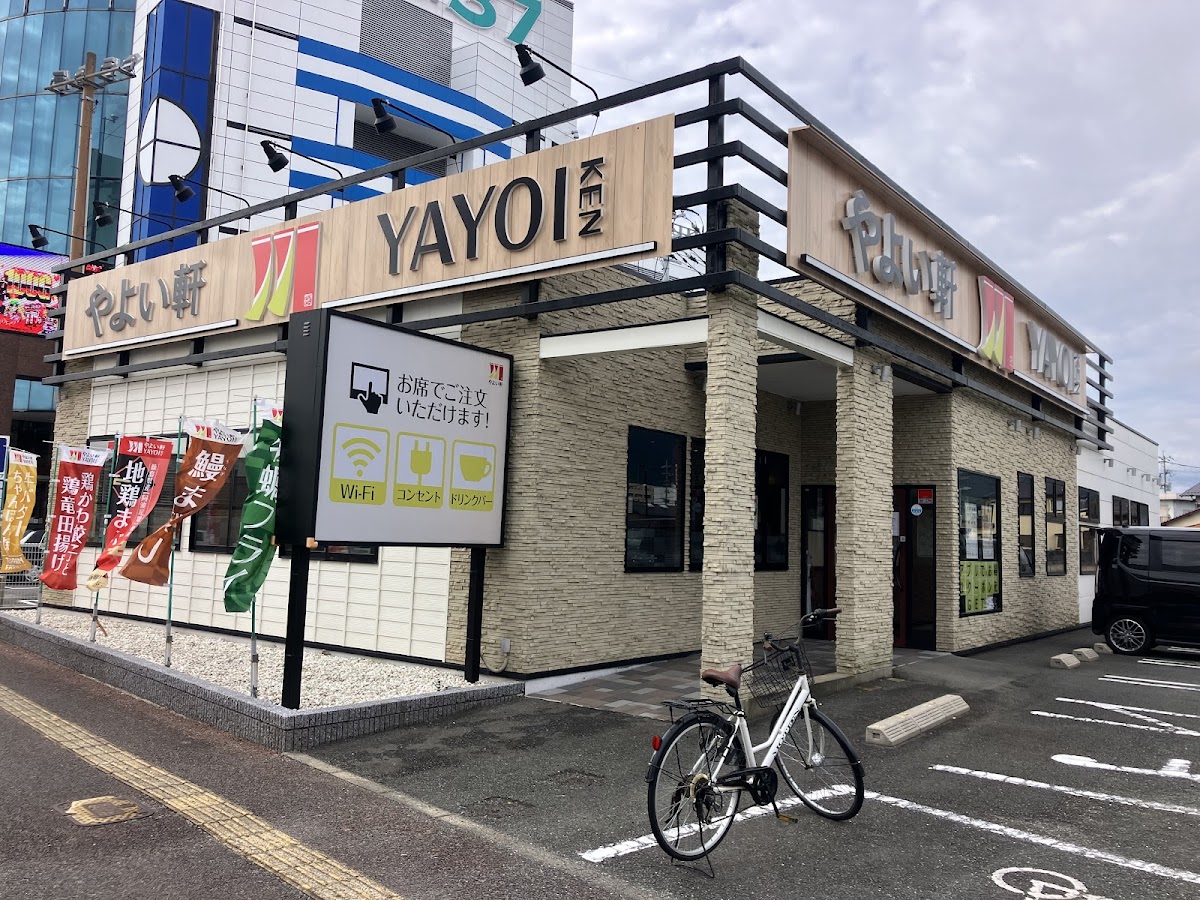
If you ever find yourself near 1360-2 Motomachi, Tosu, Saga 841-0051, Japan, and you’re craving a balanced Japanese meal that won’t wreck your budget, Yayoiken Tosu is the kind of place you’ll be glad you walked into. I’ve stopped here more than once while passing through Tosu, and each visit has felt consistent, comforting, and surprisingly satisfying for a casual diner.
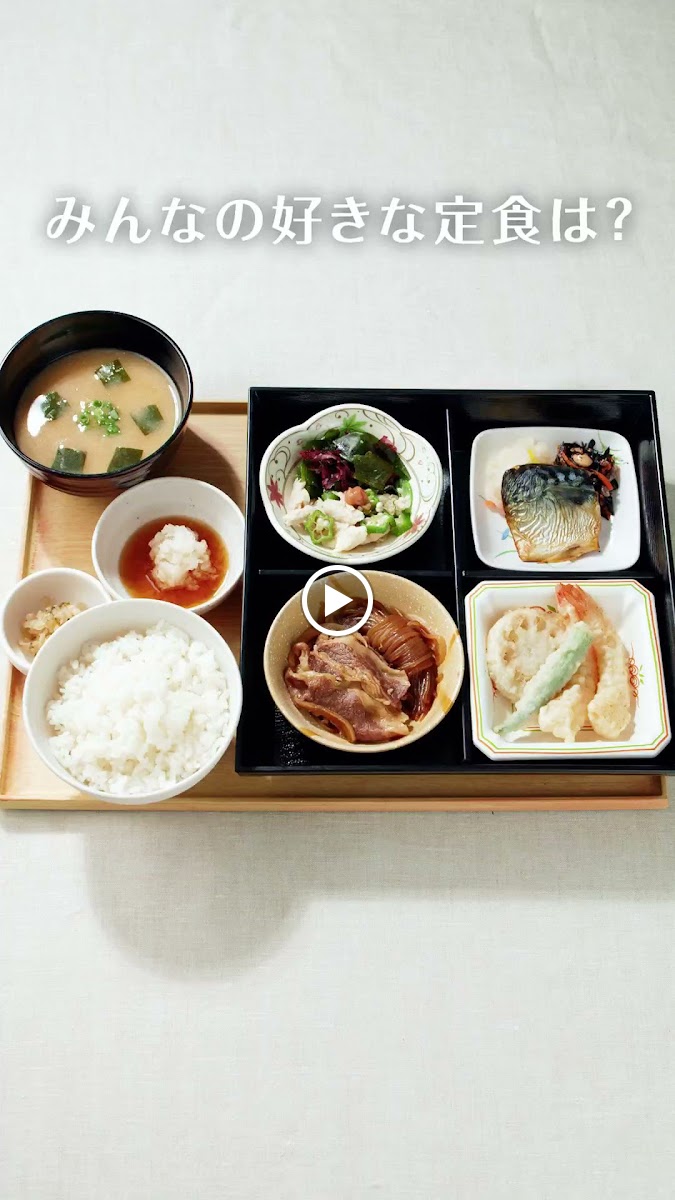
Yayoiken, as a nationwide teishoku (set meal) chain, is known across Japan for offering traditional Japanese set menus built around rice, miso soup, a main dish, and small sides. According to data published by Japan’s Ministry of Agriculture, Forestry and Fisheries, the traditional Japanese diet-often referred to as washoku-emphasizes balance, portion control, and seasonal ingredients. That philosophy is clearly reflected on the menu here. You’re not just ordering a plate; you’re getting a thoughtfully arranged meal designed around nutritional harmony.
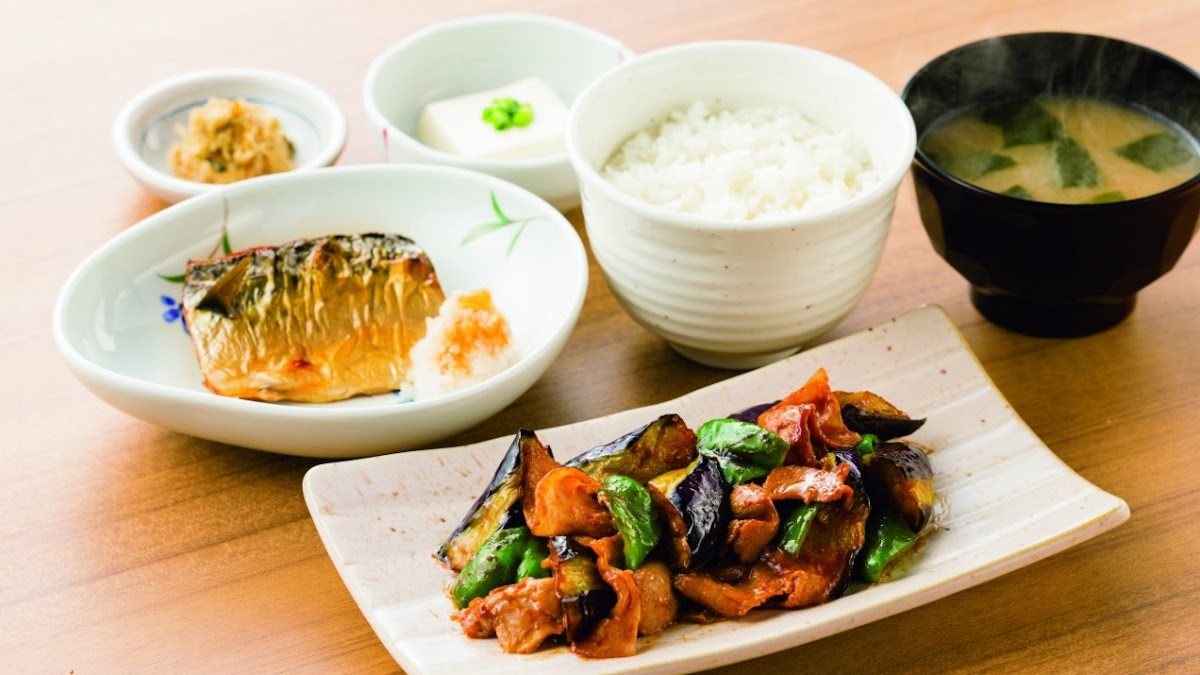
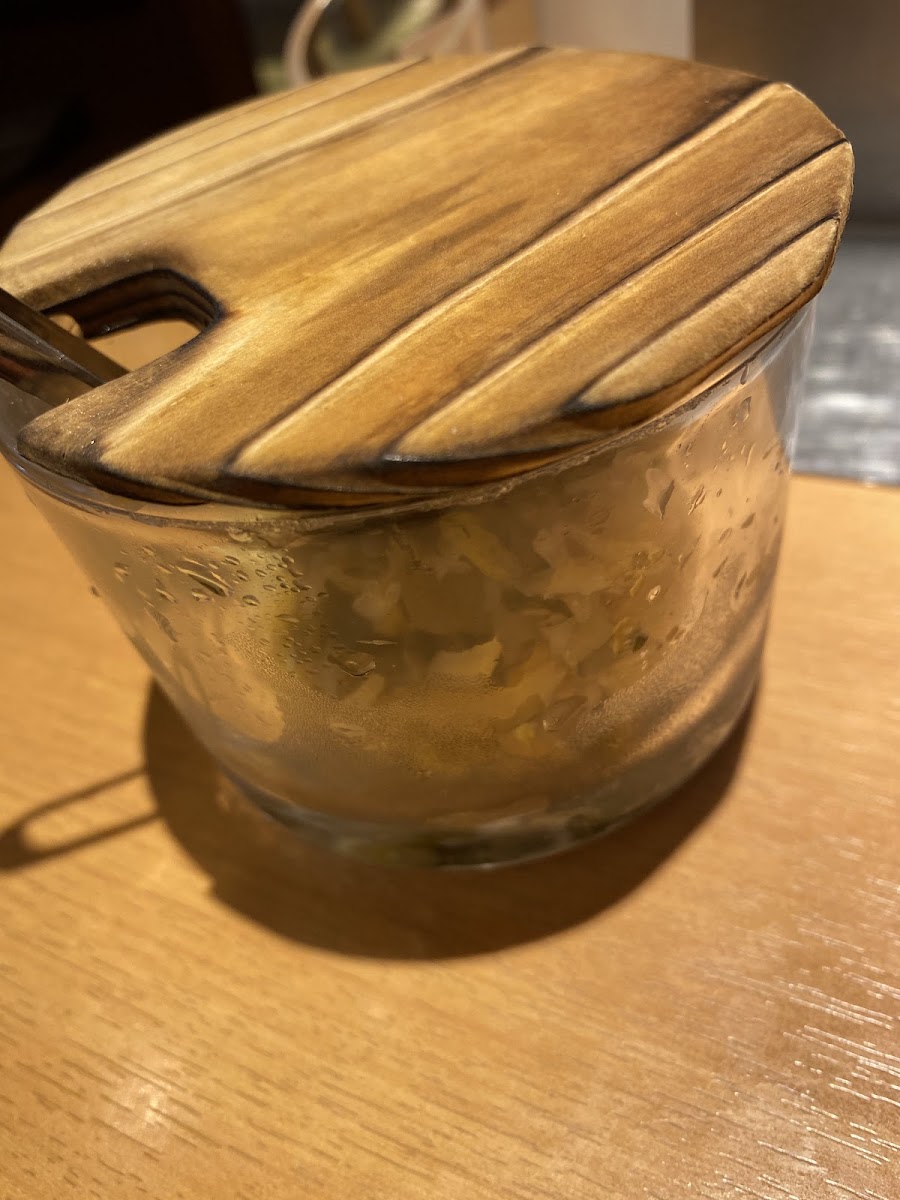
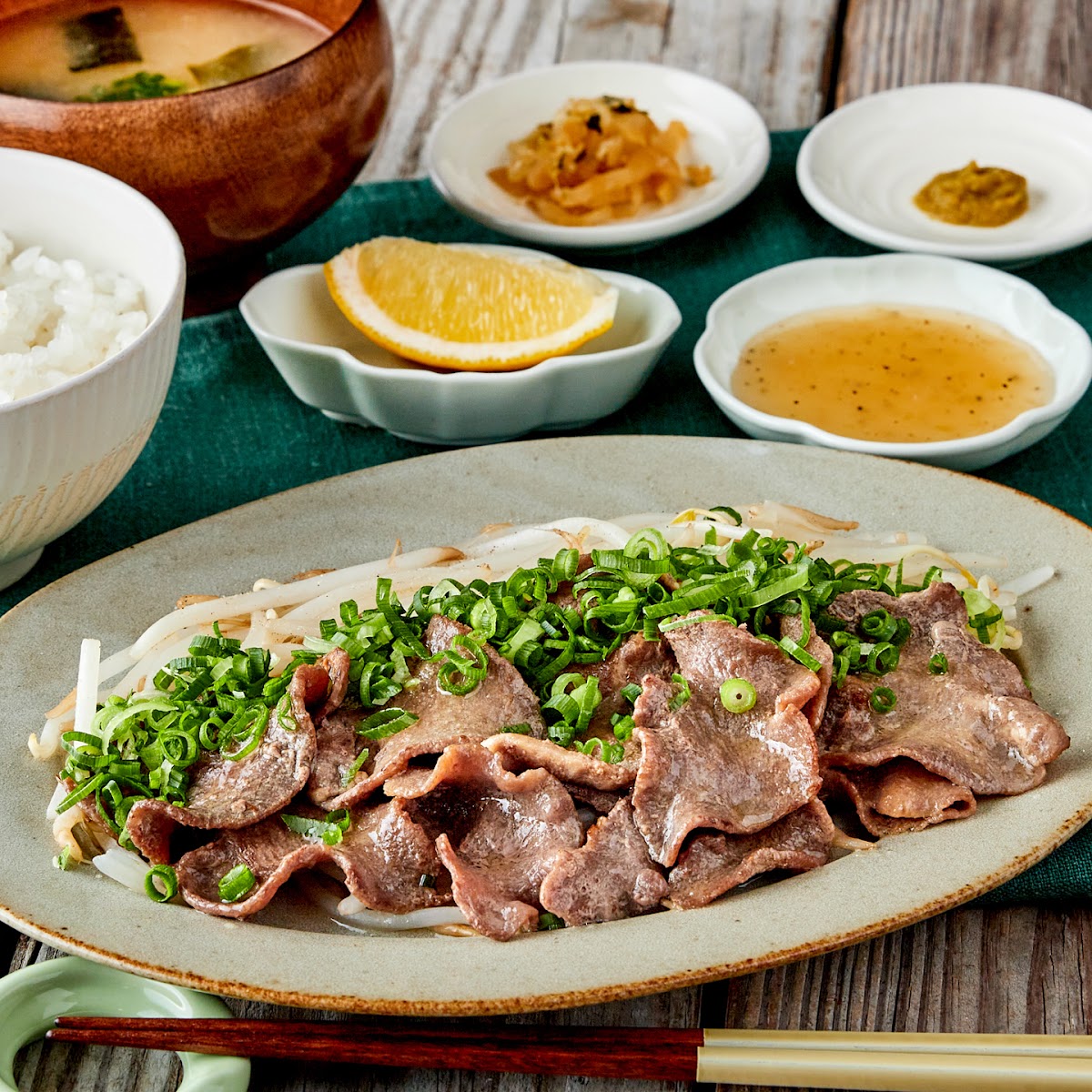
On my first visit, I ordered the classic grilled mackerel teishoku. The fish arrived crisp on the outside and tender inside, with a wedge of lemon and grated daikon to cut through the richness. The rice-importantly-was freshly steamed and refillable. That unlimited rice policy is one reason Yayoiken has built such a loyal following. It’s a practical touch, especially for students, workers, and families looking for value. The miso soup was light but savory, and the small side of pickles added a sharp contrast that tied the meal together.
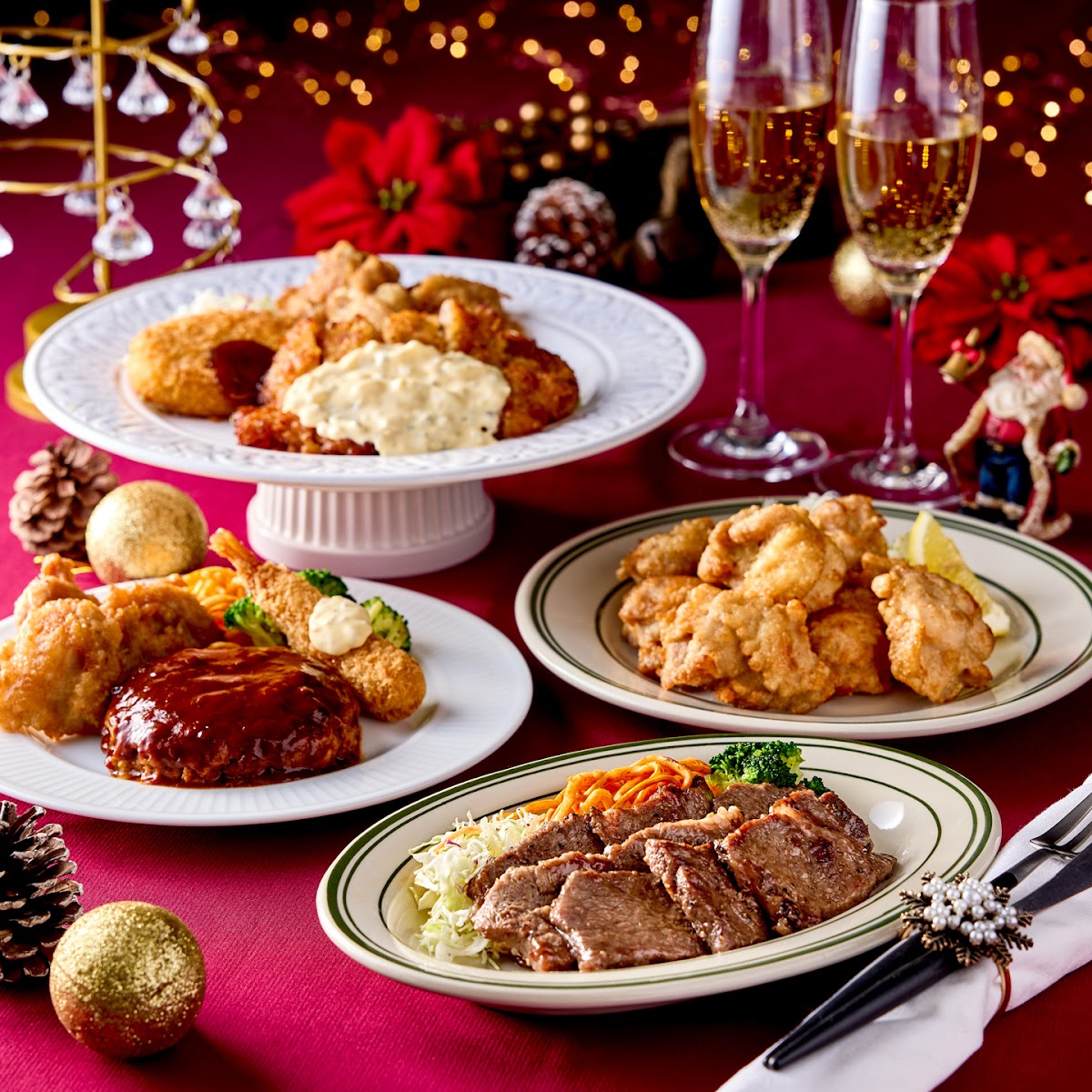
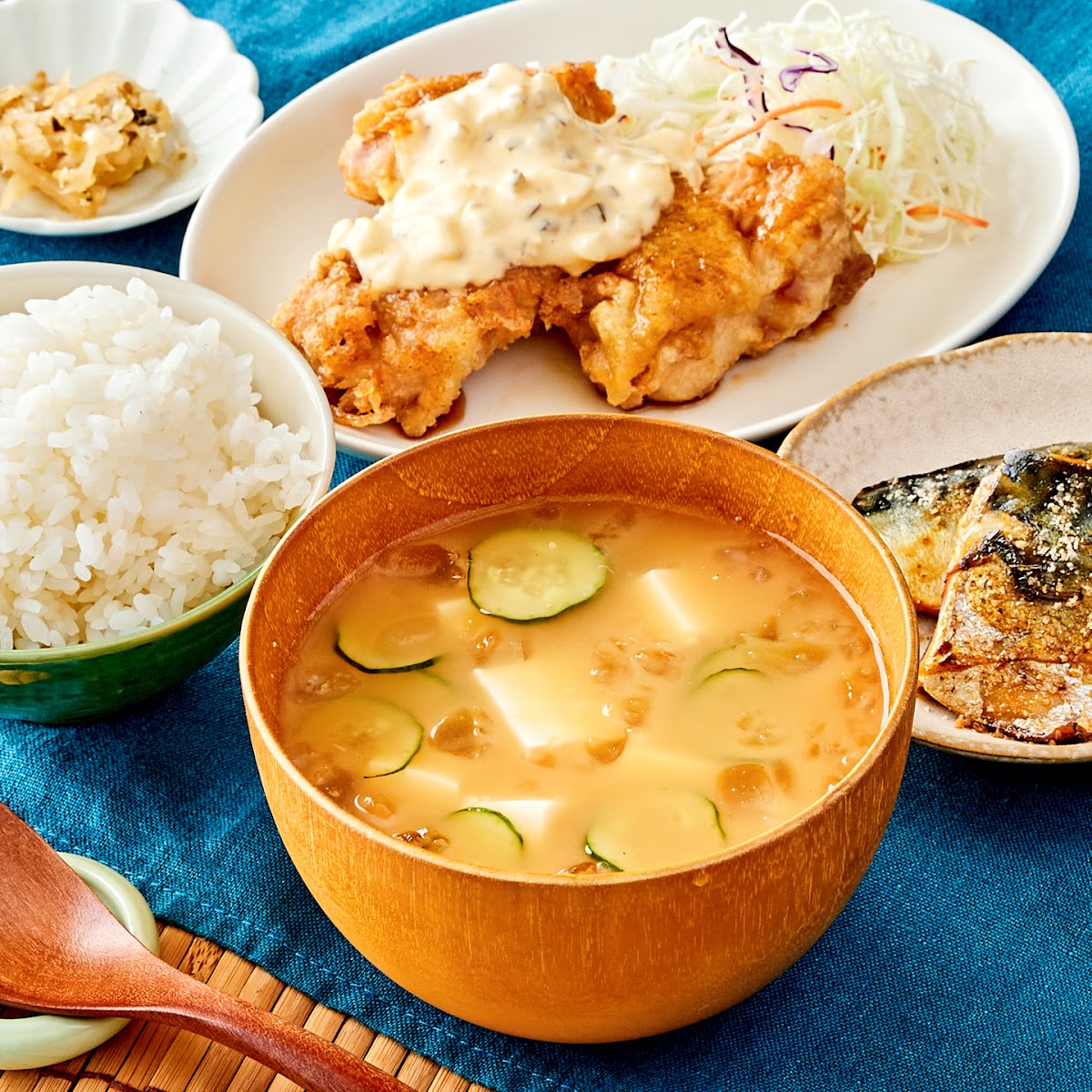
Another time, I tried their chicken nanban set. The chicken was fried to a golden crunch, topped with creamy tartar sauce, and served alongside shredded cabbage. The texture contrast-crispy, creamy, fresh-felt carefully considered. It reminded me of how Japanese casual dining chains use standardized cooking processes to maintain consistency. From what I’ve observed in open kitchen setups, staff follow precise portioning and frying times, which ensures that the food tastes nearly identical whether you’re in Tosu or Tokyo.
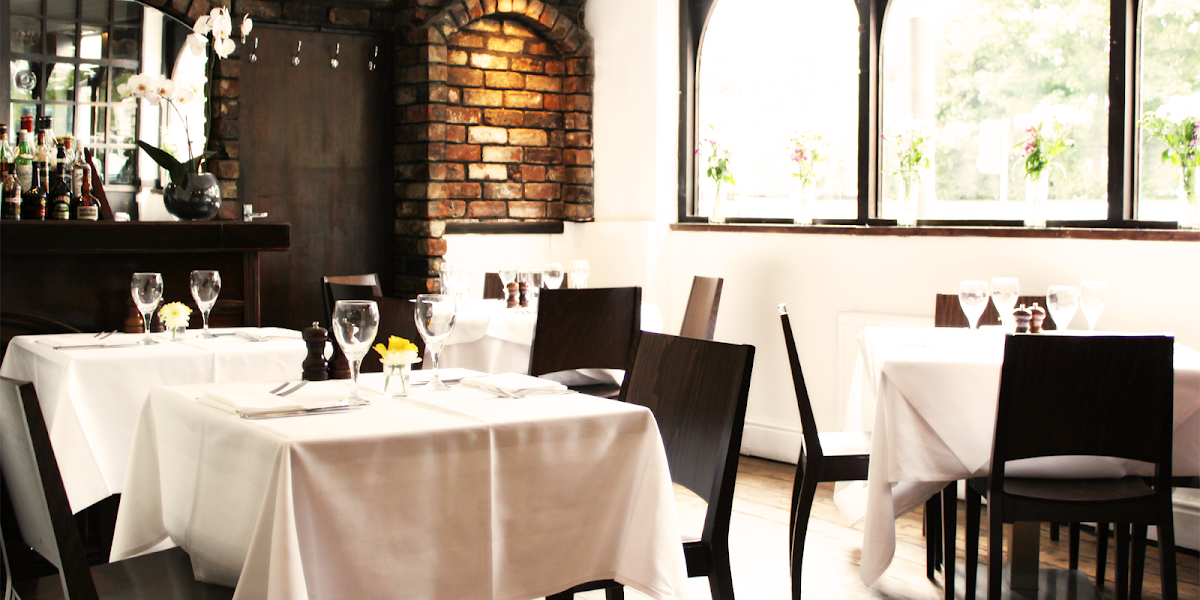
The location itself is easy to access, especially if you’re driving through Saga Prefecture. Tosu is known for its outlet shopping and its role as a transportation hub, so this branch sees a steady flow of locals and travelers. The interior is simple but clean, with wooden tables, touch-panel ordering systems, and a relaxed atmosphere. Reviews from regular customers often highlight speed of service, and in my experience, meals typically arrive within 10 minutes even during busy hours.
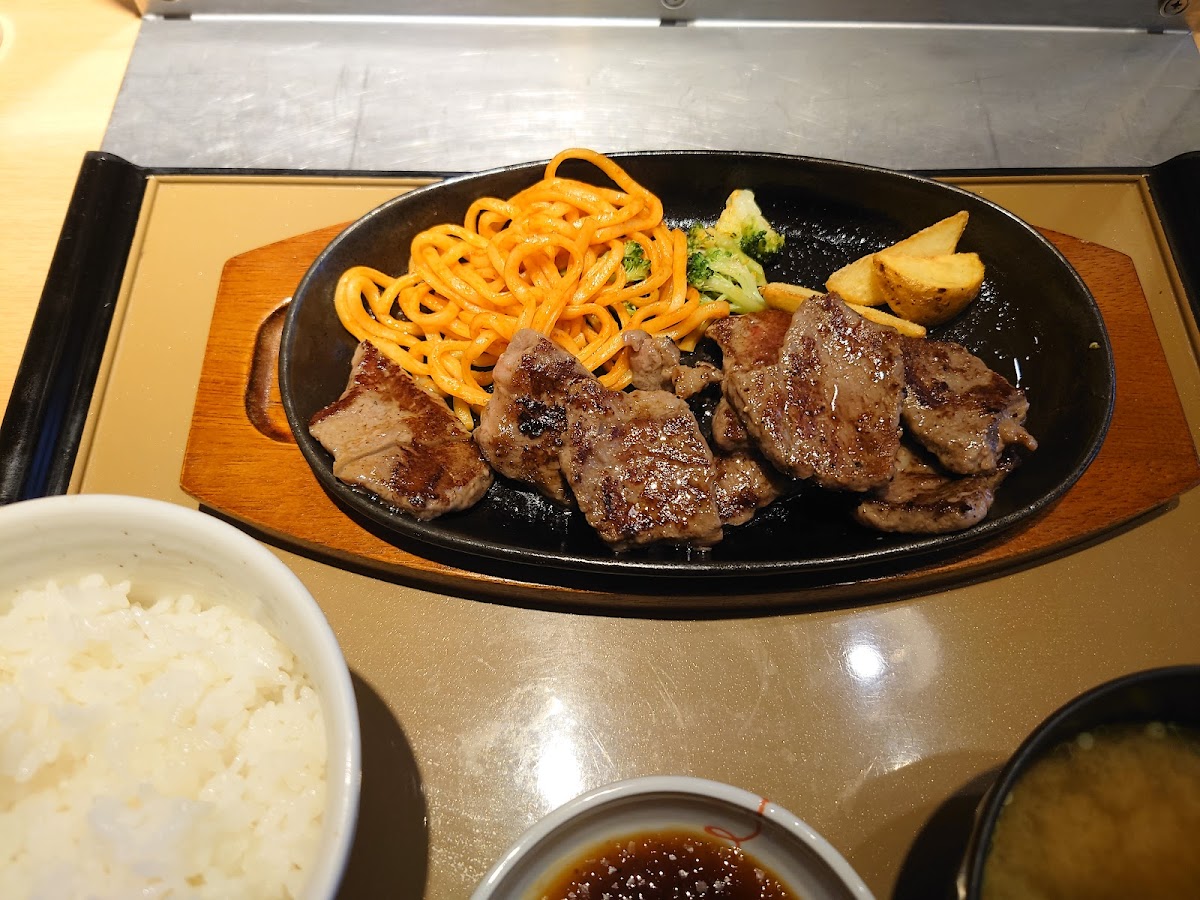
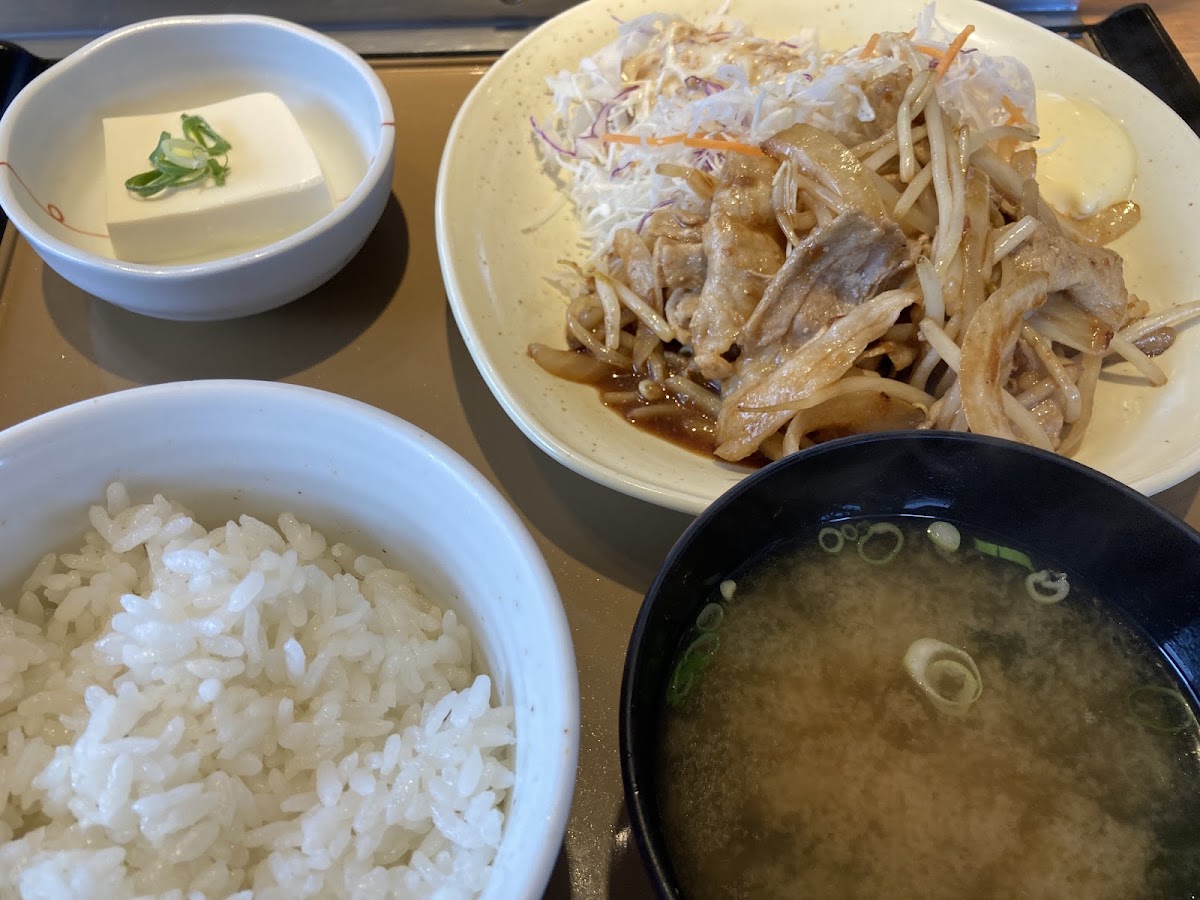
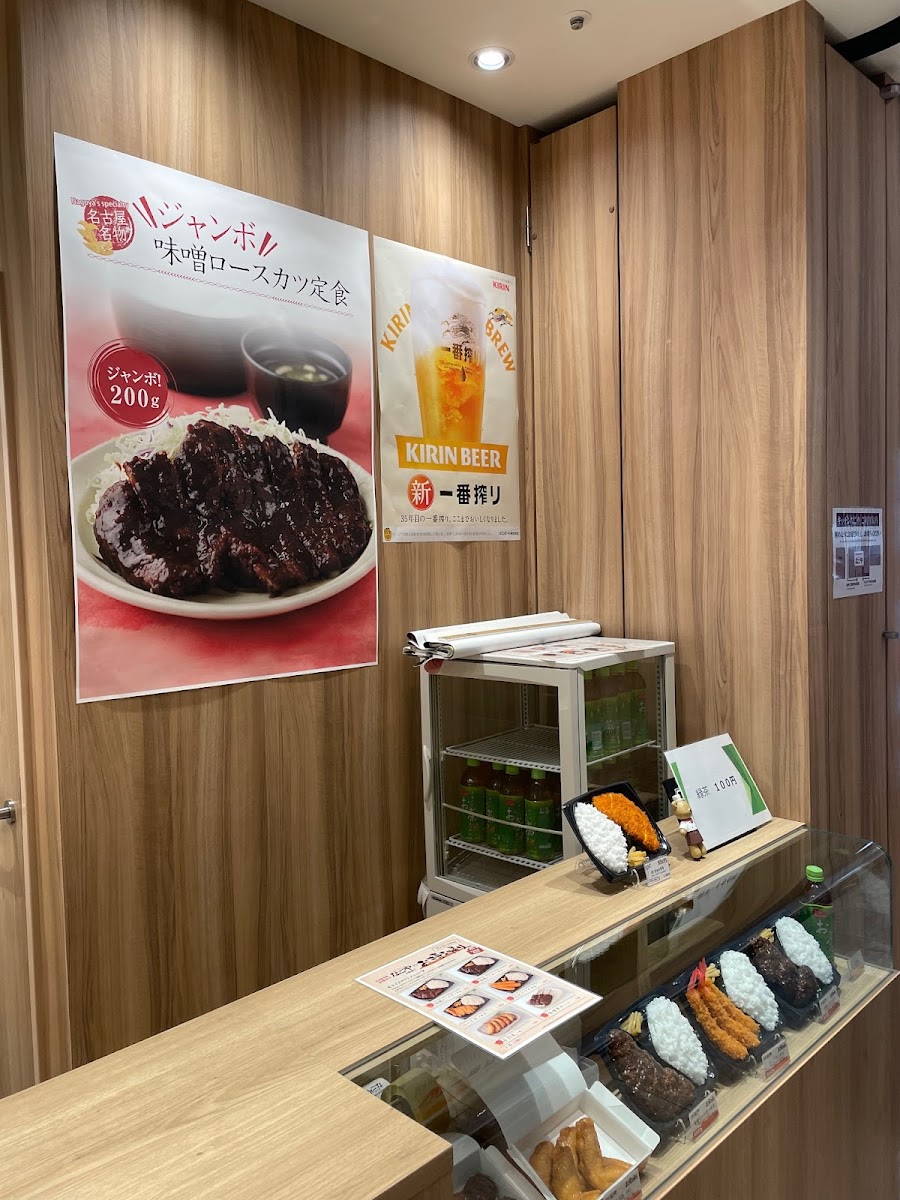
What makes this diner stand out is its balance between affordability and quality. The pricing falls comfortably in the casual dining range, yet the ingredients don’t feel cheap. Nutrition experts in Japan have long pointed out that balanced set meals-combining protein, carbohydrates, and vegetables-can help maintain steady energy levels throughout the day. You can see that structure reflected in almost every item on the menu, from ginger pork to miso katsu and seasonal specials.
The ordering system is straightforward. You select your meal on the digital panel, customize options if needed, and pay at the front. For non-Japanese speakers, some menus include visual guides, though English support can vary slightly. That’s one small limitation if you’re visiting from abroad, but the pictures and layout make it manageable.
Beyond the food, there’s a certain reliability here. In a dining landscape filled with trendy cafés and experimental fusion spots, this place sticks to what it does best: straightforward Japanese comfort food. The rice cooker stations, self-serve water, and efficient table turnover reflect a well-practiced system that prioritizes customer flow without feeling rushed.
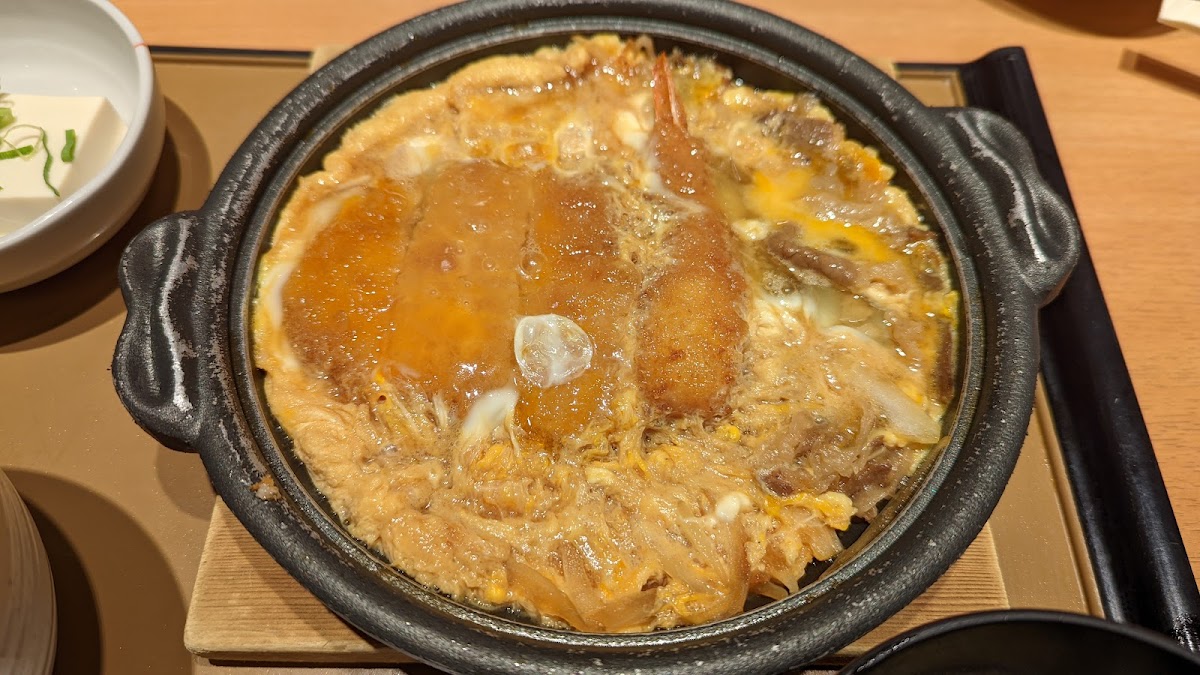
If you check local reviews, you’ll notice recurring praise for portion size, cleanliness, and the dependable taste of staples like saba shioyaki and sukiyaki-style beef. While it’s not a gourmet destination or a Michelin-starred restaurant, it doesn’t pretend to be. Instead, it delivers exactly what it promises-a hearty, balanced Japanese meal in a convenient Tosu location.
For anyone exploring Saga or simply passing through, this branch offers a dependable snapshot of everyday Japanese dining culture, where flavor, value, and efficiency come together in one well-organized tray.